Why Certain Rooms in Your Las Vegas Home Won't Stay Cool
Published: 2026-05-01 · By NiceHVAC Air Conditioning Repair
Imagine returning home to your Las Vegas sanctuary after a sweltering day under the desert sun, only to find that one room feels like an oven while others are perfectly chilled. You're not alone in this frustration; many homeowners experience spots in their homes that never seem to cool off, no matter how hard the air conditioning works. Understanding the reasons behind this cooling discrepancy can be essential not only for comfort but also for energy efficiency and repair costs.
Why This Matters for Las Vegas Homeowners
Las Vegas is infamous for its extreme heat, particularly during summer months when the average temperature can soar above 100°F. These temperatures create a high demand on air conditioning systems, putting unnecessary strain on your units. Homes are often designed with particular layouts that can hinder airflow, allowing some rooms to trap heat more effectively than others. Properties with large windows or poor insulation are especially susceptible to these temperature variances.
This issue is vital because excessive cooling demands can lead to inflated energy bills and reduced HVAC system lifespan. An inefficient cooling system not only adds unnecessary expenses but can also affect the overall comfort of your living space. Your peace of mind should not be compromised by an overly warm room.
Addressing these concerns promptly will save you time and repair costs in the long run.
Expert Solutions & Actionable Tips
1. Check Your Air Ducts
Start by inspecting your air ducts for blockages or leaks. In many Las Vegas homes, the ductwork is often routed through attics, where extreme temperatures can cause them to warp and leak. Sealing ducts can cost between $150 to $300 and is an effective way to improve airflow to underperforming rooms. If you can’t find the source of the leak, a professional inspection may be necessary.
2. Consider Zoning Systems
Implementing a zoning system can help regulate temperature across different rooms of your home. This setup allows you to control the airflow more directly and can cost around $2,000 to $4,000 installed. Given the variability in temperatures throughout your home, it may be a worthwhile investment if some rooms consistently remain warm during peak months.
3. Upgrade Insulation
Inadequate insulation can create hot spots in a home, particularly in rooms with large windows. By insulating walls and roofs, you can retain conditioned air more effectively. This process typically ranges from $0.50 to $2.00 per square foot, depending on the materials used. Improving insulation not only cools those rooms down but also contributes to overall energy efficiency.
4. Invest in Energy-Efficient Windows
If you find that the heat is particularly stubborn in certain areas, consider installing energy-efficient windows. These windows can significantly reduce heat gain and can cost anywhere from $300 to $800 each, depending on size and type. In a city like Las Vegas, this could end up saving you money on energy bills and create a more comfortable living environment.
5. Regular Maintenance Checks
Scheduling bi-annual HVAC maintenance can help catch issues like failing compressors or low refrigerant levels before they escalate into larger problems. This check-up might cost between $75 to $150 but can extend the life of your system and ensure it operates efficiently. Regular maintenance is particularly crucial as seasonal transitions can often lead to unexpected HVAC strains.
6. Utilize Fans Wisely
Using ceiling fans in conjunction with your air conditioner can create a comfortable airflow, especially in rooms that need extra cooling. Ceiling fans typically range from $100 to $300, plus installation costs if needed. The additional circulating air can promote a cooler atmosphere without compromising the performance of your AC unit.
Las Vegas Climate & Local Context
Las Vegas experiences a semi-arid climate with extreme seasonal changes, including intense summer heat and cooler winters. Homes built during the rapid growth in the 1990s often feature constructions that may not adequately account for energy efficiency. While modern buildings focus more on HVAC needs, older properties may require retrofitting to adapt to current standards.
If certain rooms in your Las Vegas home are not staying cool, it’s crucial to note local building codes regarding insulation, window upgrades, and HVAC installations, as they can guide your repairs. Local contractors often have insights into trends affecting energy efficiency within the community.
When to Call a Professional
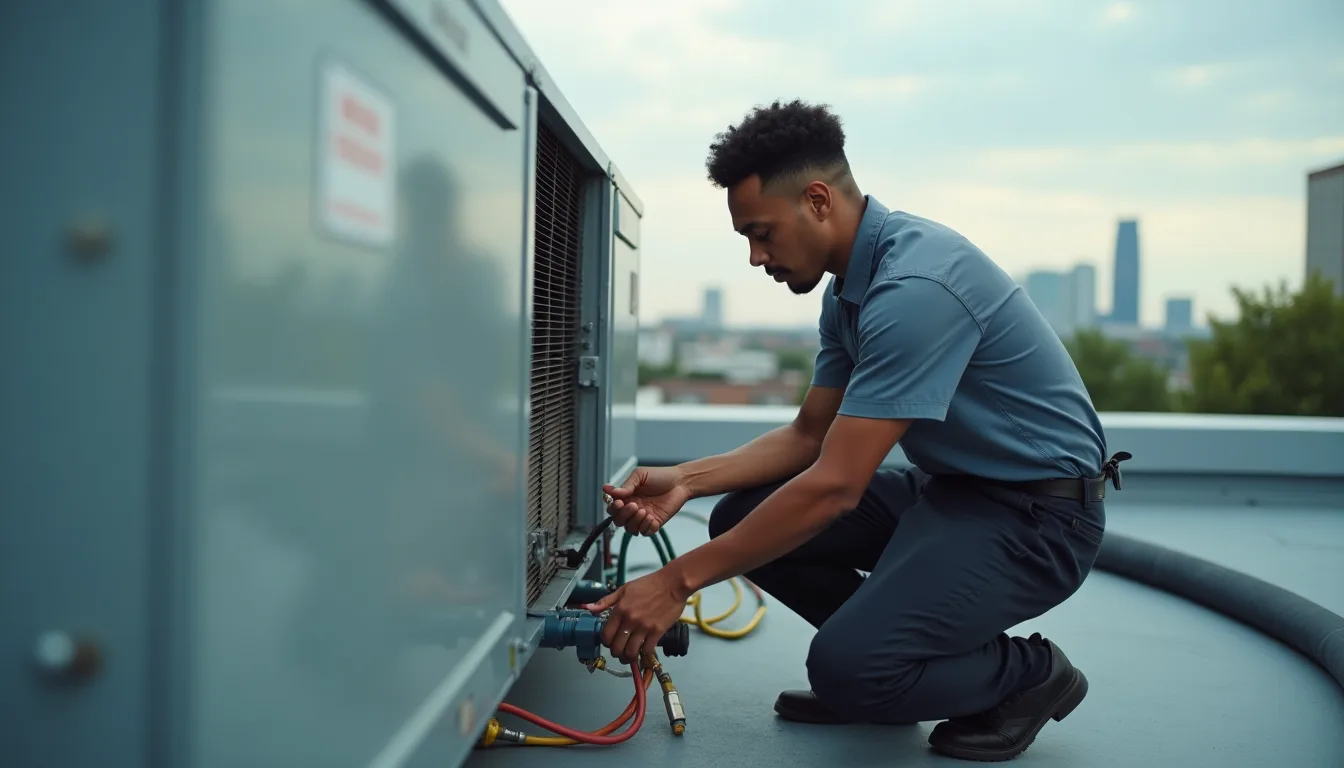
While many homeowners may feel inclined to solve cooling issues independently, understanding when to utilize a professional is vital. DIY tasks can often lead to mistakes that exacerbate the original problem. If you notice signs such as insufficient airflow, odd noises from the unit, or an unusual increase in energy bills, it's a good idea to consult a professional.
- Inconsistent cooling across rooms
- Unusual noises from your HVAC unit
- Visible wear on the air conditioning unit
- Mold growth near damp areas
- Increased energy bills without change in usage
- Frequent cycling on and off
Hiring a qualified technician provides valuable expertise, ensuring your home remains a comfortable refuge during terminations of weather extremes.
Frequently Asked Questions
What causes certain rooms in my Las Vegas home to be hotter than others?
Several factors contribute to uneven cooling, such as poor insulation, blocked ducts, or improper HVAC sizing. Additionally, the orientation of windows plays a role in heat absorption, especially during peak sunlight hours.
How can I improve the cooling in my house without breaking the bank?
Simple adjustments like using ceiling fans, sealing ducts, or upgrading insulation can be cost-effective solutions. Regular HVAC maintenance can also help identify issues before they become costly.
Do I need a permit to upgrade my air conditioning system?
Yes, in Las Vegas, any significant HVAC modifications or system installations usually require permits to comply with local building codes. Be sure to check with your local authority before proceeding with any upgrades.
What is the average lifespan of an air conditioning unit?
Most AC units have a lifespan of 15 to 20 years when properly maintained. However, extreme Las Vegas heat may reduce this lifespan considerably if regular servicing is neglected.
When should I call a professional for HVAC issues?
You should consult a professional if you notice any irregularities, such as fluctuating temperatures, odd noises, or rising energy bills, as these can indicate deeper issues with your HVAC system.
Get Expert Air Conditioning Repair Service in Las Vegas
If you're facing challenges keeping your home cool during those intense Las Vegas summers, don't hesitate to reach out. Contact (702) 356-8201 today for expert guidance and repair services from NiceHVAC Air Conditioning Repair. Let’s ensure every room in your home remains a comfortable oasis.
Being proactive about your air conditioning needs can make your living space much more enjoyable, so call us now and let the professionals handle the rest.